
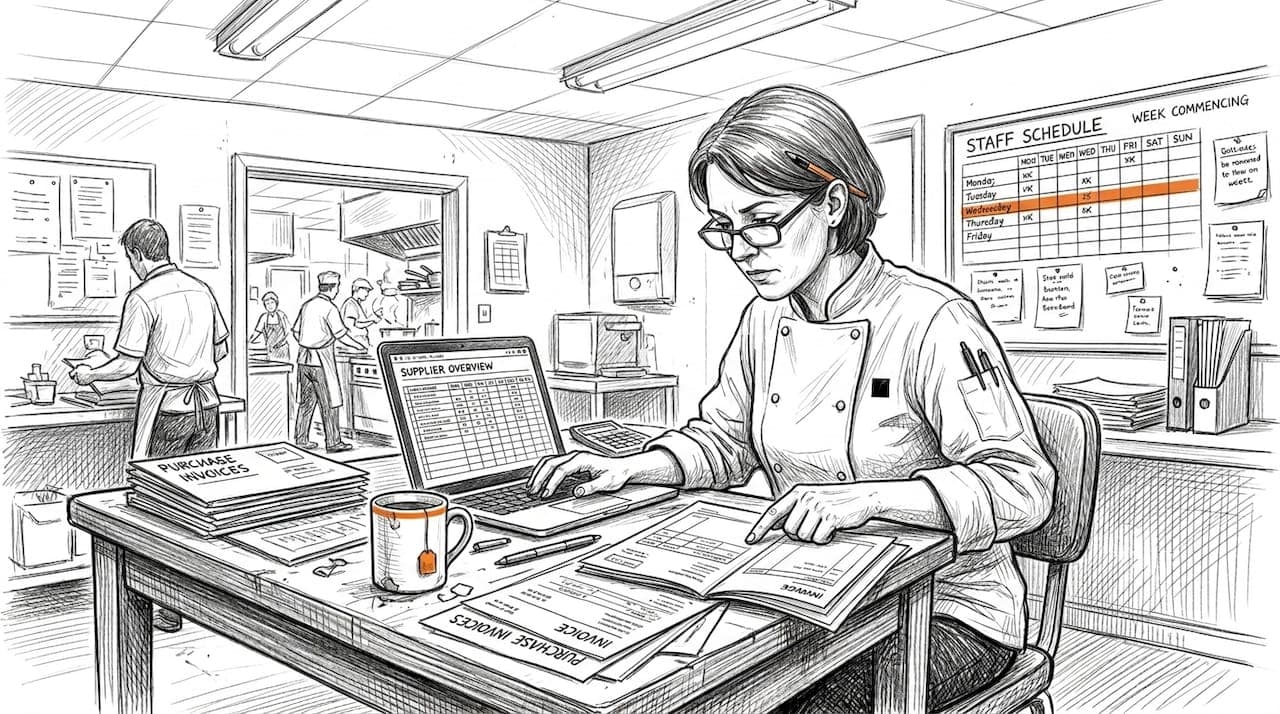
Running an independent restaurant in the UK means juggling countless moving parts, but few challenges hit harder than managing rising operational costs. Food prices fluctuate, labour expenses climb, and waste quietly drains your margins. Without a clear, structured approach to tracking and controlling these costs, even the busiest restaurants struggle to turn a healthy profit. This guide walks you through building a practical cost control workflow that brings clarity to your finances, reduces waste, and helps you make smarter decisions every week using modern technology designed specifically for hospitality operators.
Table of Contents
- Understanding the problem: challenges in restaurant cost control
- Preparing your restaurant for cost control workflow implementation
- Executing your restaurant cost control workflow step by step
- Verifying and optimising your restaurant cost control workflow
- Enhance your cost control with Kosts technology
Key takeaways
| Point | Details |
|---|---|
| Structured workflows boost profitability | Implementing systematic cost tracking reduces errors and identifies savings opportunities faster |
| Technology simplifies complex tracking | Modern platforms automate invoice processing and cost analysis, saving hours weekly |
| Regular verification sustains results | Ongoing monitoring catches discrepancies early and ensures continuous improvement |
| Preparation sets the foundation | Assessing current processes and establishing baseline metrics enables successful implementation |
Understanding the problem: challenges in restaurant cost control
Independent restaurants face relentless pressure from multiple cost drivers that can quickly erode profitability if left unchecked. Food costs typically consume 28 to 35 percent of revenue, whilst labour expenses add another 25 to 35 percent, leaving slim margins for error. When you're managing these figures manually through spreadsheets or paper records, mistakes become inevitable.
Manual tracking creates numerous vulnerabilities in your cost management system. Handwritten invoice entries lead to transcription errors, forgotten purchases slip through unrecorded, and pricing changes from suppliers go unnoticed until your margins have already suffered. Without standardised processes, different team members record information differently, making it nearly impossible to spot trends or compare periods accurately.
Inefficient cost management contributes significantly to profit loss in restaurants, yet many operators continue using outdated methods simply because they haven't found accessible alternatives. The challenges compound when you consider the hidden costs:
- Waste from over-ordering or poor storage practices drains thousands of pounds annually
- Theft and portion control issues reduce gross profit without obvious warning signs
- Pricing mistakes leave money on the table or drive customers away
- Delayed financial insights prevent timely corrective action
- Inconsistent supplier management means missing better deals or quality issues
Technology adoption remains surprisingly low across independent restaurants despite the availability of affordable tools designed specifically for hospitality operators. Many owners feel overwhelmed by complex enterprise systems or assume digital solutions require technical expertise they don't possess. This hesitation keeps valuable time locked into manual processes whilst competitors gain efficiency advantages.
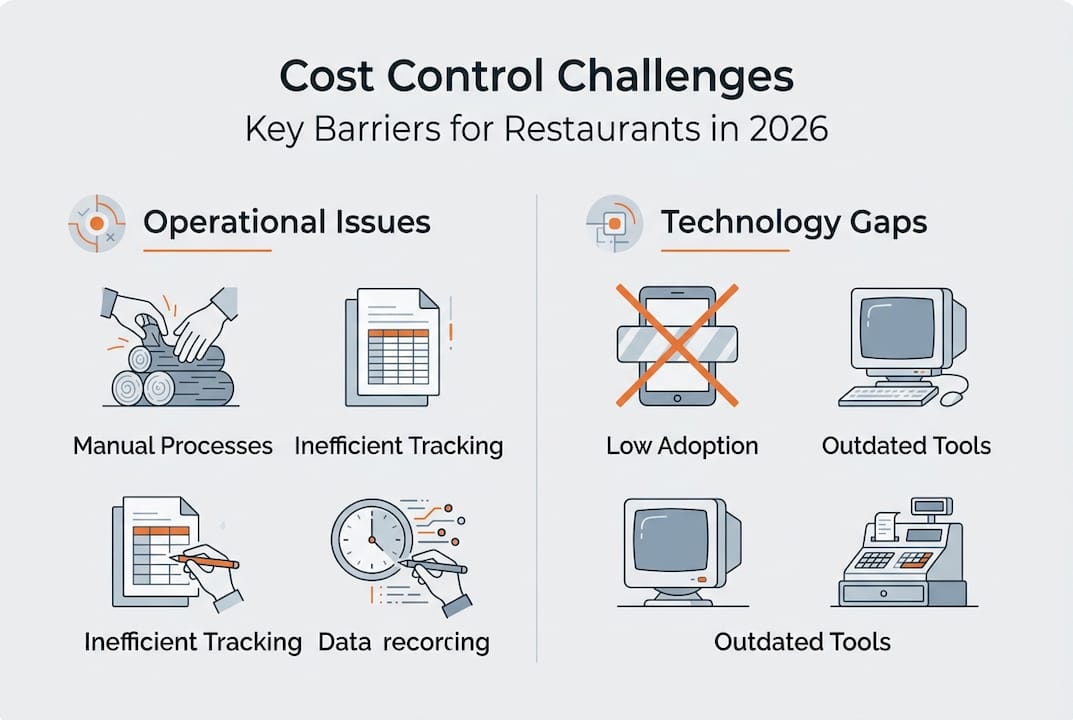
The real danger isn't any single cost challenge, it's the cumulative effect of multiple small inefficiencies that gradually squeeze your profitability. A two percent increase in food costs here, three percent waste there, and suddenly your target margins have vanished. Establishing a proper workflow addresses these issues systematically rather than fighting fires one at a time.
Preparing your restaurant for cost control workflow implementation
Successful cost control starts well before you implement any new system or process. Taking time to prepare properly means your workflow will stick rather than becoming another abandoned initiative buried under daily operational pressures.
Begin by conducting an honest assessment of your current financial processes. Map out exactly how information flows from receiving deliveries through to financial reporting. Where do invoices go? Who records what information? How do you currently calculate food costs or track inventory? Identifying these existing patterns reveals bottlenecks and gaps that your new workflow must address.
Compile comprehensive reference materials that your team will need for accurate cost tracking. Gather up-to-date supplier price lists, create a master ingredient inventory with standard units of measure, and document your current menu recipes with precise portions. This groundwork eliminates guesswork and ensures everyone works from the same baseline data.
Clear documentation and team training are vital groundwork for effective cost control, so invest time in bringing your staff into the process early. Explain why cost management matters, not just to the business but to their job security and potential earnings. Assign specific responsibilities so everyone knows their role in maintaining accurate records.
Selecting appropriate tools represents a crucial preparation step that determines how smoothly your workflow operates. Evaluate options based on your specific needs:
- Ease of use for staff with varying technical abilities
- Integration capabilities with existing systems like accounting software or point of sale
- Mobile accessibility for recording information on the go
- Reporting features that provide actionable insights, not just raw data
- Cost relative to potential savings and time recovered
Establish clear baseline metrics before implementing changes so you can measure improvement accurately. Calculate your current food cost percentage, average waste per week, labour cost ratio, and gross profit margins. These numbers provide your starting point and help you set realistic improvement targets.
Pro Tip: Photograph your walk-in cooler and dry storage areas before reorganising for your new workflow. These images serve as powerful before and after comparisons that demonstrate progress to your team and reinforce the value of maintaining new systems.
Preparation also means scheduling implementation during a relatively calm period rather than your busiest season. Choose a week with manageable covers where you can afford to invest extra time training and troubleshooting without compromising service quality.
Executing your restaurant cost control workflow step by step
With preparation complete, you're ready to implement a structured workflow that brings order to your cost management. This systematic approach ensures nothing falls through the cracks whilst building habits that become second nature over time.
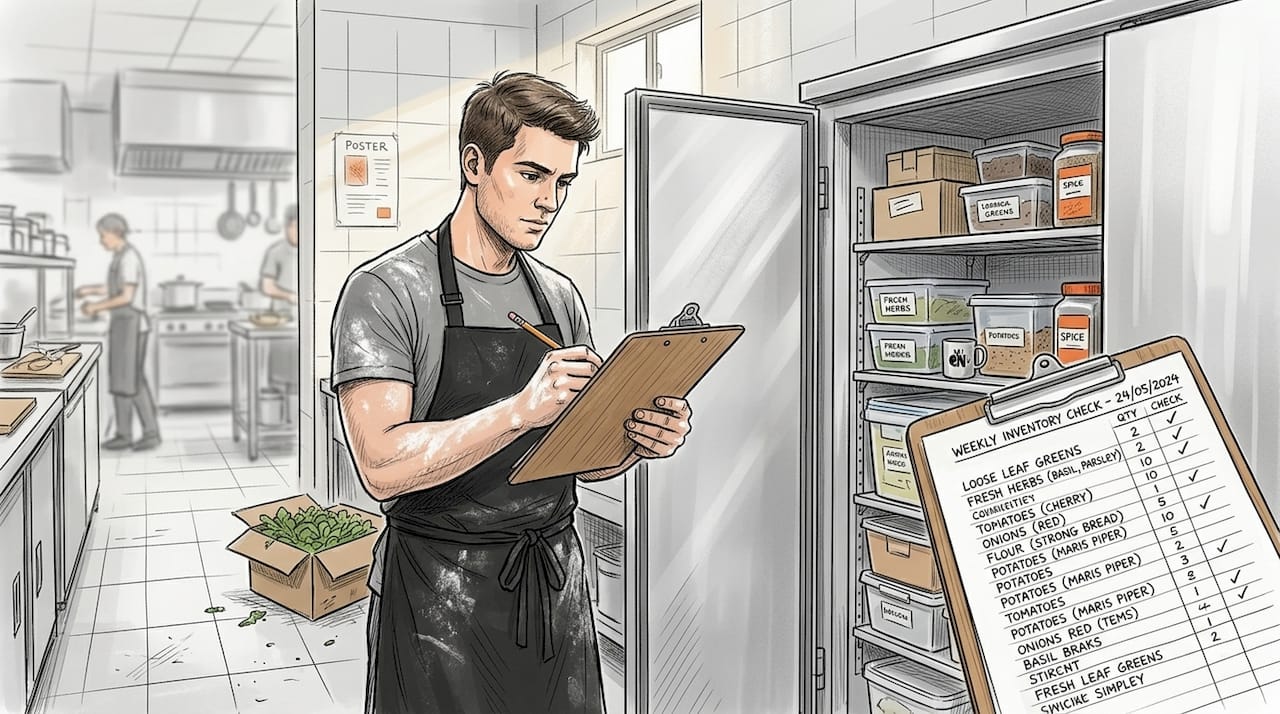
Step 1: Record all ingredient purchases and update stock levels immediately
When deliveries arrive, verify quantities and quality against invoices before signing. Photograph or scan invoices immediately using your chosen digital tool, capturing supplier name, date, items, quantities, and costs. Update your inventory system the same day, adding new stock to existing quantities. This real-time recording prevents the backlog that makes accurate tracking impossible.
Step 2: Calculate actual food costs regularly using digital calculators
Weekly food cost calculations provide the frequent feedback needed for quick corrections. Digital automation can streamline food cost calculations reducing manual errors that plague spreadsheet approaches. Take physical inventory counts every week initially, then adjust frequency based on your operation's stability and size. Compare actual usage against theoretical usage based on sales to identify discrepancies.
Step 3: Monitor labour costs against scheduled hours and sales
Track actual hours worked versus scheduled shifts daily, noting any overtime or unexpected coverage needs. Calculate labour cost as a percentage of sales for each service period to spot patterns. High labour percentages during slow periods signal scheduling inefficiencies, whilst low percentages during busy times might indicate understaffing that hurts service quality and tips.
Step 4: Analyse waste and identify causes for reduction
Implement a waste log where staff record discarded items with reasons: spoilage, over-preparation, customer returns, or cooking errors. Quantify waste in both volume and cost terms weekly. This data reveals whether you're over-ordering perishables, need better storage practices, require additional training, or should adjust prep quantities.
Step 5: Adjust menu pricing based on cost analysis to maintain margins
Review menu item costs monthly as ingredient prices fluctuate. Calculate the actual cost of each dish including all components, then verify your pricing maintains target food cost percentages. When costs rise, you must either increase prices, reduce portions slightly, substitute ingredients, or remove items that no longer deliver acceptable margins.
| Workflow Stage | Frequency | Key Metric | Target Range |
|---|---|---|---|
| Invoice recording | Daily | Processing time | Under 10 minutes per delivery |
| Inventory counts | Weekly | Accuracy rate | Above 95% match |
| Food cost calculation | Weekly | Food cost percentage | 28% to 35% |
| Labour analysis | Weekly | Labour cost percentage | 25% to 35% |
| Pricing review | Monthly | Gross profit margin | 60% to 70% |
Pro Tip: Set specific days and times for each workflow task rather than doing them "when you have time." Tuesday mornings for inventory, Wednesday afternoons for cost calculations. This consistency builds routines that stick even during busy periods.
The execution phase requires discipline initially as new habits form, but the structured approach quickly reveals insights that were invisible under manual systems. You'll spot supplier price increases within days rather than months, identify your most and least profitable menu items with confidence, and make decisions based on actual data rather than gut feeling.
Verifying and optimising your restaurant cost control workflow
Implementing a workflow is only half the battle. Verification ensures your new system delivers sustained results whilst continuous optimisation keeps improving performance over time.
Regularly compare projected costs against actual spending to identify variances that signal problems. If your theoretical food cost based on sales suggests you should have spent £3,200 but actual invoices total £3,600, that £400 gap demands investigation. Common causes include unrecorded waste, theft, incorrect portion sizes, or data entry errors.
Modern technology generates reports that highlight these variances automatically, eliminating hours of manual calculation. Dashboard views show trends across weeks and months, making patterns obvious that would remain hidden in spreadsheets. You can spot seasonal fluctuations, identify which suppliers' prices are rising fastest, and see exactly where your money goes by category.
Conduct physical inventory audits monthly beyond your regular counts, having someone outside the usual process verify quantities independently. These audits catch systematic errors in recording or counting methods before they compound. Compare audit results against system records and investigate any significant discrepancies immediately.
Schedule quarterly reviews with your team to assess workflow effectiveness and gather feedback. Ask what's working well, what feels cumbersome, and where they see opportunities for improvement. Staff who use the system daily often spot inefficiencies or workarounds that management misses.
Ongoing verification ensures sustainable cost savings and profitability by catching issues early when they're still small and manageable. The verification process also reinforces accountability, as team members know their work will be reviewed regularly.
Refine your workflow based on data insights rather than assumptions. If waste logs reveal that salad greens consistently spoil, reduce order quantities or frequency. When labour reports show Tuesday lunch overstaffed but Friday dinner understaffed, adjust schedules accordingly. Let the numbers guide your decisions.
Avoid common verification mistakes that undermine cost control efforts:
- Ignoring small variances that seem insignificant individually but add up substantially
- Delaying reviews until month end when problems have already impacted multiple weeks
- Focusing solely on food costs whilst neglecting labour or other expense categories
- Failing to act on identified issues, making data collection pointless
- Comparing periods with different sales volumes without adjusting for context
| Verification Method | Frequency | Purpose | Action Threshold |
|---|---|---|---|
| Variance analysis | Weekly | Identify cost overruns | Above 3% variance |
| Inventory audit | Monthly | Verify accuracy | Above 2% discrepancy |
| Team review | Quarterly | Gather improvement ideas | Any recurring complaint |
| Supplier comparison | Quarterly | Ensure competitive pricing | 5% price difference |
| Process refinement | Ongoing | Eliminate inefficiencies | Any time-consuming step |
Optimisation never truly ends because your restaurant evolves constantly. New menu items, different suppliers, seasonal ingredients, and changing customer preferences all affect your costs. A workflow that adapts to these changes maintains its value, whilst rigid systems quickly become outdated and abandoned.
The verification phase also builds confidence in your cost control efforts. When you can demonstrate clear improvements in food cost percentage, reduced waste, or better labour efficiency, the entire team sees the value of maintaining accurate records and following established processes.
Enhance your cost control with Kosts technology
Managing restaurant costs manually consumes valuable time you could spend improving your menu, training staff, or building customer relationships. Kosts transforms cost control from a tedious administrative burden into a streamlined process that delivers insights within minutes rather than hours.
The platform automates invoice processing through simple photo uploads or email forwarding, extracting supplier details, items, quantities, and costs automatically. This eliminates manual data entry errors whilst building a comprehensive purchase history that reveals spending patterns instantly. Integration with Square and Xero synchronises your revenue data, providing complete financial visibility in one dashboard.
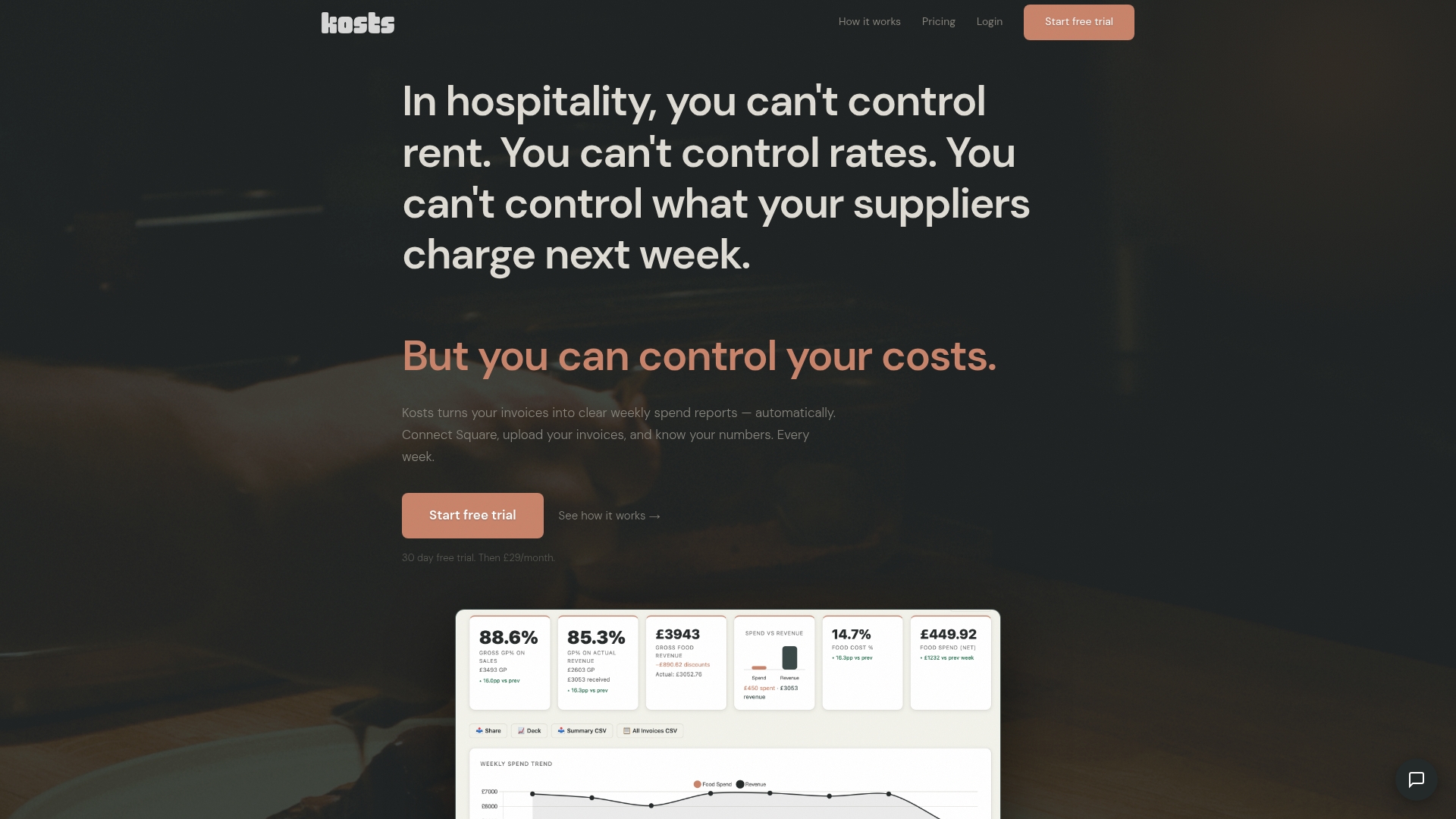
Built by a working chef who understands hospitality operations, Kosts focuses on the metrics that actually matter to restaurant owners: food cost percentage, gross profit, and spending breakdowns by supplier and category. Weekly reports arrive automatically, keeping you informed without requiring constant system monitoring. The 30-day free trial lets you experience the efficiency gains firsthand before committing to a straightforward monthly subscription that costs less than a single wasted case of produce.
Frequently asked questions
How often should I review my restaurant cost control data?
Weekly reviews provide the optimal balance between staying informed and avoiding analysis paralysis. Check your food cost percentage, labour costs, and major variances every week to catch issues whilst they're still manageable. Monthly deep dives into supplier pricing, menu profitability, and trend analysis complement these weekly checks. Daily monitoring is unnecessary unless you're troubleshooting a specific problem or implementing new systems.
What technology is best suited for small independent restaurants?
Choose platforms designed specifically for hospitality rather than generic accounting software that requires extensive customisation. Look for mobile accessibility, automatic invoice scanning, integration with your existing point of sale and accounting systems, and straightforward pricing without hidden fees. The best technology feels intuitive from day one, requiring minimal training whilst delivering immediate value through time savings and clearer insights.
Can cost control workflows adapt during busy or seasonal periods?
Absolutely, and they must adapt to remain effective. During peak seasons, you might reduce inventory count frequency from weekly to fortnightly whilst maintaining daily invoice recording and waste tracking. The core workflow structure stays consistent, but you adjust the intensity and frequency of specific tasks based on available time and operational demands. Seasonal menu changes require updating recipe costs and recalculating margins, but the process for doing so remains the same.
What should I do when my food cost percentage suddenly increases?
Investigate immediately by comparing recent supplier invoices against historical pricing to identify cost increases. Review waste logs for unusual spikes in discarded items. Verify portion sizes haven't crept larger through kitchen observations. Check for recording errors in inventory counts or sales data. Once you identify the cause, take corrective action whether that means renegotiating with suppliers, adjusting menu prices, retraining staff on portions, or improving storage practices to reduce spoilage.
How long does it take to see results from implementing a cost control workflow?
Most restaurants notice improvements within the first month as better visibility reveals quick wins like reducing over-ordering or identifying pricing errors. Substantial margin improvements typically emerge over eight to twelve weeks as refined processes, staff training, and data-driven decisions compound. The key is consistency, restaurants that maintain their workflow diligently see continuous improvement, whilst those who let practices slip return to previous inefficiencies quickly.